
How to Choose the Right Patient Gowns for Your Hospital or Clinic
13th Oct 2025
What Is a Patient Gown?
A patient gown is a loose-fitting garment worn by individuals during medical care, examinations, or hospital stays. Its design allows easy access for doctors and nurses while maintaining hygiene and modesty for patients.
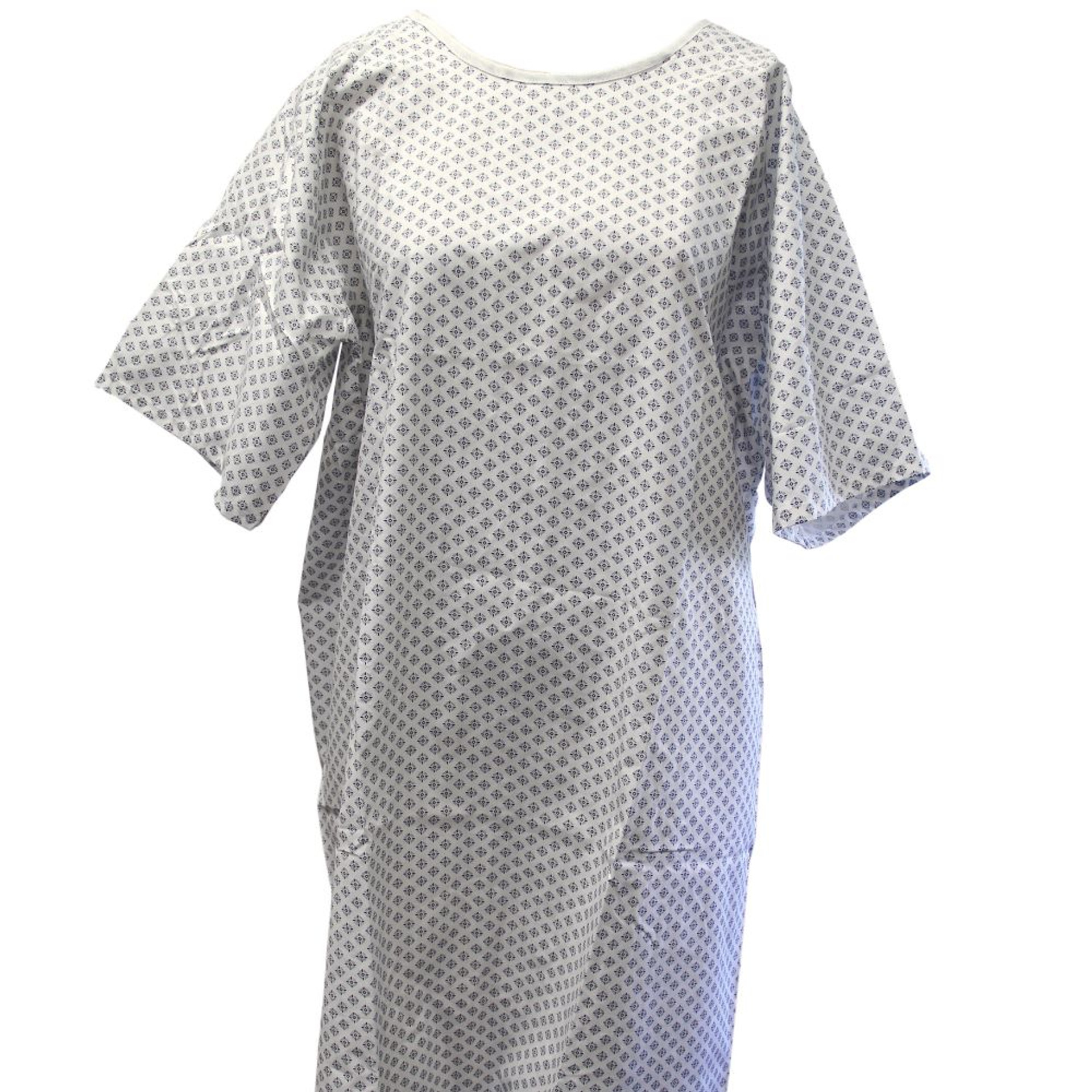 These gowns are usually made of cotton, polyester, or non-woven fabrics and can open from the back, front, or side, depending on the purpose.
Why Patient Gown Selection Matters
In every healthcare facility, patient comfort and hygiene are non-negotiable. But one item that directly influences both and is often underestimated is the patient gown.
For hospital administrators and purchasing teams, choosing the right gowns isn’t just about clothing. It’s about infection control, patient satisfaction, and operational efficiency.
This guide breaks down exactly what you need to consider before ordering patient gowns for your hospital, clinic, or care centre.
1. Understand What Patient Gowns Are Designed For
A patient gown is a specialised garment worn by patients during hospital stays, medical procedures, or examinations. The ideal gown allows:
-
- Easy medical access
- Maximum comfort and mobility
- Hygiene and infection prevention
- Patient modesty and dignity
Getting the gown design wrong can lead to unnecessary discomfort, exposure issues, or even operational inefficiencies, all of which impact patient satisfaction scores and hospital reputation.
2. Decide Between Disposable and Reusable Patient Gowns
Disposable Patient Gowns
-
- Made from non-woven synthetic materials.
- Ideal for infection-prone areas (e.g., isolation wards, emergency rooms).
- Single-use design ensures hygiene and quick turnaround.
- Cost-effective for short stays or high-volume departments.
Best For: These gowns are particularly suitable for outpatient clinics, testing centres, and isolation units where hygiene and single-use convenience are top priorities.
Reusable Patient Gowns
-
- Made from cotton, polyester, or blended fabrics.
- Can be washed and sterilised multiple times (usually 50–100 cycles).
- Offer superior comfort and breathability for long-term patients.
- More eco-friendly and cost-efficient over time.
Best For: Reusable patient gowns work especially well in general wards, maternity units, and rehabilitation facilities, where long-term comfort and durability are most Important.
3. Key Factors to Consider Before Buying Patient Gowns
A. Material and Fabric Quality
Look for gowns made from soft, breathable, and durable materials like cotton or poly-cotton blends.
-
- Cotton: Comfortable, skin-friendly, and ideal for long stays.
- Polyester blends: Strong, wrinkle-resistant, and cost-effective.
- Non-woven fabric: Lightweight and disposable, good for single use.
A Quick Comparison Table
| Material Type | Features | Best For |
|---|---|---|
| Cotton | Soft, breathable, comfortable | Long-term care, sensitive skin |
| Polyester | Durable, wrinkle-resistant | Frequent washing, large facilities |
| Poly-Cotton Blend | Balance of comfort and strength | General hospital use |
| Non-woven Fabric | Disposable, lightweight | Surgical or isolation use |
B. Design and Fit
-
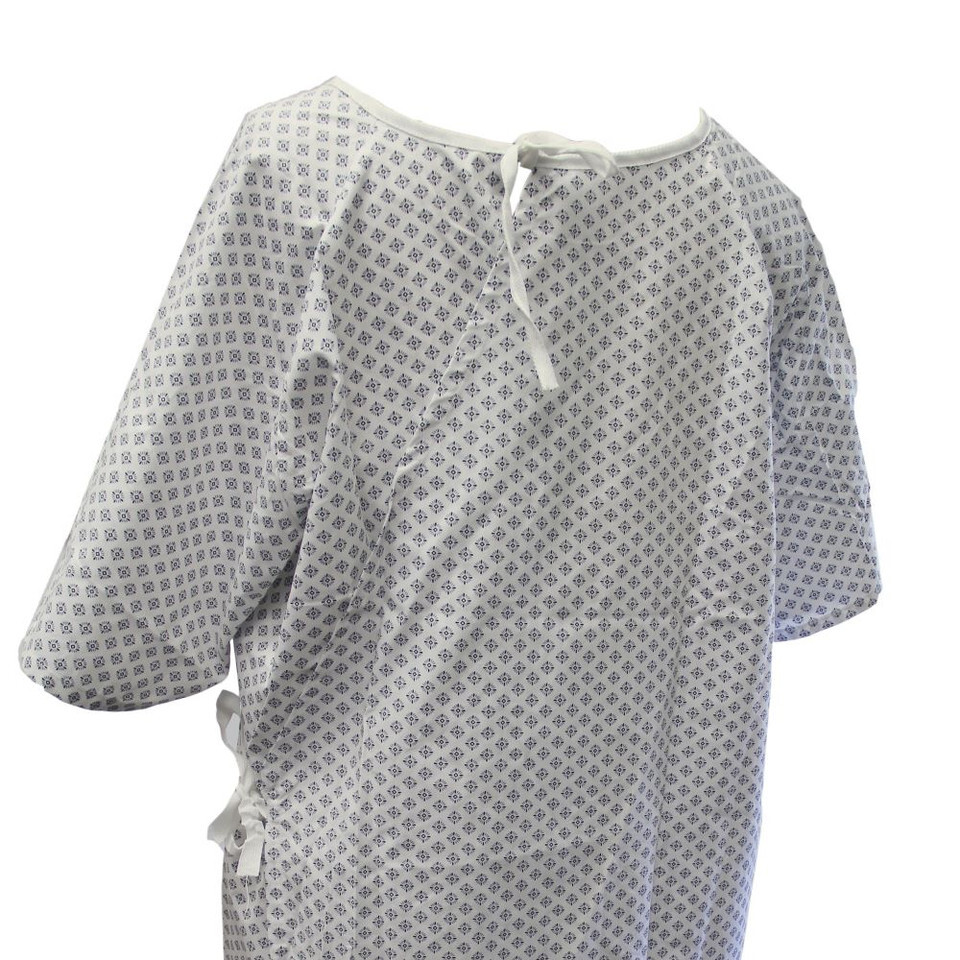
- Choose front or back openings depending on medical use.
- Ensure universal sizing with adjustable ties.
- For bariatric or paediatric units, confirm specialised gown sizes.
C. Hygiene and Maintenance
-
- Reusable gowns should withstand high-temperature washing (up to 70–90°C).
- Fabrics should not shrink, fade, or lose strength.
- Check for anti-microbial coatings for infection resistance.
- Disposable gowns should be lint-free and meet hospital waste management standards.
D. Comfort and Patient Experience
-
- Feel soft and breathable.
- Provide proper coverage (especially at the back).
- Available in soothing colours or modern prints.
E. Supplier Reliability
-
- ISO or CE-certified manufacturing.
- Custom branding (logos, colours, embroidery).
- Quality control testing.
- Bulk pricing and long-term supply contracts.
4. Sustainability: The Growing Demand for Eco-Friendly Gowns
-
- Recyclable or biodegradable materials.
- Water-efficient dyeing and washing processes.
- Durable designs that extend the lifespan of each gown.
5. Pricing and Lifecycle Cost Analysis
-
- Disposable Gowns: Lower initial cost but recurring purchases.
- Reusable Gowns: Higher upfront cost, reusable up to 100+ times, offering 40 to 60% savings long-term.
Simple Comparison Example:
Assuming 100 patients per day, 365 days per year
| Disposable Gowns | Reusable Gowns | |
|---|---|---|
|
Year 1 |
Cost per gown: $1.50 Annual cost: 100 × $1.50 × 365 = $54,750/year Plus: Storage costs, ordering time No laundry costs |
Initial purchase: 400 gowns × $12 = $4,800 Laundry cost: 100 gowns/day × $0.60/wash × 365 = $21,900 Annual replacement (20% wear-out rate): 80 gowns × $12 = $960 Total: 4800 + 21900 + 960 = $27,660 |
|
Year 2 |
This cost is the same every year |
Initial purchase: $0 (already bought) Laundry: $21,900 (same as Year 1) Replacement (20% wear out): $960 Total: $22,860 |
Savings Calculation:
Disposable cost: $54,750 - Reusable cost: $22,860 = Difference: $31,890
Savings with reusable: $31,890/year after initial investment
Important: This is a simplified example. Your actual costs will vary based on:
-
- Local pricing for gowns and laundry services
- Actual usage rates
- Gown lifespan in your facility
- Storage and inventory management costs
6. Customisation Options
-
- Printed logos or facility names.
- Custom colours (beyond the typical blue/green).
- Adjustable sleeve lengths or closures.
- Specialised designs for maternity or paediatric care.
Common Mistakes to Avoid
-
- Choosing by Price Alone: The cheapest gown often costs more through rapid wear-out, patient complaints, or operational problems.
- Ordering Without Testing: Always test samples with real patients and your laundry system before committing to large quantities.
- Wrong Size Mix: Stock sizes based on your actual patient population. Track complaints about sizing to adjust your inventory mix.
- Insufficient Inventory (Reusable): You need 3 to 4 times your daily usage to account for laundering turnaround time. Don't understock.
- Ignoring Staff Feedback: Nurses handle gowns dozens of times daily. Their practical insights are invaluable; ask them before deciding.
- No Backup Supplier: Having only one supplier creates risk. Even a secondary option for emergencies is wise.
Final Checklist Before Ordering
Patient gown selection doesn't need to be complicated. Focus on these core priorities:
-
- Comfort first: Patients will wear these for hours. Soft, breathable fabric matters.
- Adequate coverage: The back-gap problem is patients' #1 complaint. Ensure sufficient overlap.
- Right size range: Stock at least standard and bariatric sizes based on your population.
- Total cost, not just price: Factor in durability, laundry, and replacement when comparing options.
- Test before buying: Always evaluate samples with actual patients and through your operations.
- Reliable supplier: Consistent quality and on-time delivery matter more than finding the absolute cheapest price.
The patient gown may seem like a minor detail, but it's one of the few items that touch every patient in your facility. Choosing thoughtfully sends a message that patient comfort and dignity matter.
Start with samples, involve your clinical staff in the decision, and don't be afraid to switch suppliers if quality or service declines. Your patients will notice the difference.
Ready to Get Started?
Gather a small evaluation team:
-
- Nursing staff
- Purchasing representative
- Patient experience coordinator
- Laundry/environmental services
Choosing the right patient gowns is more than an operational decision, it’s a reflection of your facility’s commitment to comfort, hygiene, and care quality. By investing in gowns that are durable, comfortable, and patient-centred, hospitals can improve satisfaction, reduce waste, and enhance overall efficiency.
Whether you choose disposable or reusable gowns, always partner with a trusted supplier who understands healthcare standards and patient needs. Because in healthcare, even the smallest detail, like a patient gown, can leave a lasting impression.
